
How to Choose a Wedding Venue: The Ultimate Guide for Your Perfect Day

Choosing the perfect wedding venue is one of the most important decisions you’ll make during your planning journey. Your venue sets the tone, style, and atmosphere for your entire celebration, so it’s essential to get it right.
In this guide, we’ll walk you through exactly how to choose a wedding venue, covering everything from budget and guest list to those often-overlooked details that can make a big difference.
1. Start with Your Wedding Vision
Before you begin viewing venues, take time to imagine your ideal day.
Ask yourselves:
Do you want a rustic countryside wedding or a modern, elegant celebration?
Indoor, outdoor, or a mix of both?
Intimate gathering or large celebration?
Having a clear vision will help you narrow down venues that align with your style and avoid wasting time on unsuitable options.

2. Set Your Budget Early
Your wedding venue will likely be your biggest expense, so setting a realistic budget is crucial.
When comparing venues, it’s important to look beyond the headline price and understand the full cost. Some venues may seem more affordable initially but require you to bring in everything separately, while others offer all-inclusive packages.
Here’s a more comprehensive list of what to consider:
Want the great news? Anything marked with an asterisk isn't charged for here at Heathy Lea, or required as a core supplier core!
Core venue costs:
Venue hire fee
Ceremony vs reception pricing (if charged separately) *
Celebrant or registrar fees
Day rate vs evening rate for guests *
Seasonal or peak-date pricing differences *
Food and drink:
Catering packages (per head cost)
Drinks packages or bar minimum spend
Corkage fees (if bringing your own alcohol, some venues will charge this) *
Cake-cutting fees *
Evening food costs
Furniture and setup:
Tables and chairs
Linen and tableware
Crockery, cutlery, and glassware
Staffing and coordination:
On-the-day coordinator or wedding planner
Waiting staff and bar staff
Toastmaster or host
Décor and styling:
In-house décor packages
Lighting (fairy lights, uplighting, candles)
Ceremony backdrops or arches
Signage and styling extras
Entertainment and technical:
DJ or band setup requirements
Sound system and microphones
Dancefloor hire
Power supply for external vendors *
Logistics and extras:
Accommodation (on-site or nearby)
Transport or parking arrangements *
Setup and breakdown fees
Early access or late finish charges *
Cleaning fees *
Potential hidden costs:
Service charges or gratuities *
VAT (if not included in pricing)
Supplier access fees *
Insurance requirements
Having a clear understanding of all these elements will help you compare venues fairly and avoid unexpected costs later on. It also makes it much easier to prioritise what matters most to you as a couple and allocate your budget accordingly.

3. Finalise Your Guest List
Your guest count directly impacts your choice of venue.
Make sure to:
Have a rough estimate before venue hunting
Check maximum and minimum capacity
Consider comfort, not just space
A venue that’s too large can feel empty, while one that’s too small can feel cramped.
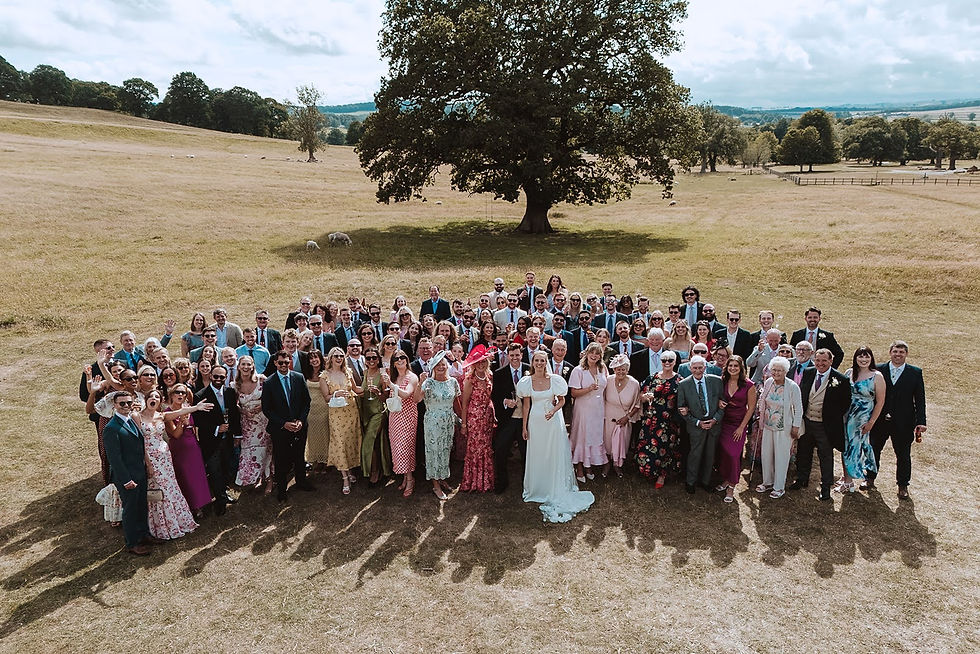
4. Choose the Right Location
Location plays a key role in your guests’ experience.
Think about:
Travel time for guests
Accessibility (especially for elderly guests)
Nearby accommodation options
Parking availability
If many guests are travelling, choosing a well-connected or scenic destination can enhance the overall experience.

5. Consider the Season and Weather
The time of year will influence your venue choice more than you might expect.
For example:
Outdoor venues are perfect for summer but need a wet-weather backup
Winter weddings benefit from cosy indoor spaces
Spring and autumn offer beautiful natural backdrops
Always ask venues about contingency plans in case of unexpected weather.

6. Think About Theme and Personalisation
Your venue should complement the overall look and feel you want to create.
If you’re planning a specific theme, whether that’s rustic, boho, classic, or something completely unique, make sure the venue works with it, not against it.
Consider:
Does the venue’s existing style match your vision?
How much freedom do you have to decorate or personalise the space?
Are there restrictions on things like candles, signage, or installations?
Some venues are very flexible, while others have a strong existing aesthetic that may limit how much you can customise.

7. Check Supplier Flexibility
One detail couples often overlook is whether you’re required to use a venue’s recommended suppliers.
Ask:
Do you have to use their caterers, florists, or DJs?
Is there an approved supplier list?
Can you bring in your own vendors without extra fees?
Having the freedom to choose your own suppliers can make a big difference, especially if you already have specific vendors in mind or want more control over your budget and style.

8. Visit in Person (If Possible)
Photos can be misleading, so visiting a venue in person is highly recommended.
During your visit:
Visualise your ceremony and reception layout
Check lighting and photo opportunities
Assess the overall atmosphere
Ask plenty of questions
If you can’t visit in person, request a virtual tour or video walkthrough.

11. Ask the Right Questions
Before booking, make sure you fully understand the details.
Key questions include:
What’s included in the price?
Are there any restrictions (noise, décor, suppliers)?
What is the cancellation policy?
Is there a dedicated coordinator?
Clarity now can prevent stress later.

12. Read Reviews and Testimonials
Hearing from other couples can give you valuable insight into what the venue is really like.
Look for:
Consistent positive feedback
Comments about staff and service
Real wedding photos
This can help confirm whether a venue lives up to expectations.

13. Trust Your Instincts
After all the checklists, spreadsheets, and venue visits, there’s still something to be said for instinct.
When you find a venue that fits your vision, feels right for your guests, and works within your budget, you’ll know. It’s less about ticking every single box and more about choosing a place where you can truly picture your day unfolding.
Take your time, ask questions, and enjoy the process, this is where your wedding story really starts to take shape.